


Windshield Protective Film vs. Traditional Tint: Which One Actually Protects Your Car in Raleigh?
- Tommy Brown
- Jan 31
- 7 min read
If you've ever driven down I-40 through Raleigh during rush hour, or worse, during one of those never-ending construction zones, you know the windshield gauntlet. Gravel trucks kicking up rocks. Debris from road work. That semi ahead of you that just had to hit the pothole. One second you're cruising, the next you've got a chip in your windshield that'll turn into a crack by next week.
And then there's the other problem: North Carolina summers. The kind of heat that turns your car into a mobile sauna and makes your leather seats too hot to sit on. You need protection, but here's the thing most Raleigh drivers don't realize: windshield protective film and traditional window tint are two completely different products that solve two completely different problems.
We've been installing both for over 20 years, and we still hear the confusion every week. So let's break it down: what each one does, why you might need both, what's legal in NC, and how to get the most protection for your ride.
What Is Windshield Protective Film?
Windshield protective film is a clear, thick layer of polyurethane applied to the exterior of your windshield. Think of it like armor for your glass. Its entire job is to absorb impacts from rocks, road debris, gravel, and flying objects that would otherwise chip or crack your windshield.
This isn't tint, it's transparent impact protection. Quality windshield film blocks over 99% of UV rays while maintaining crystal-clear optical clarity with zero distortion. You won't even know it's there until a rock hits your windshield and bounces off instead of leaving a chip.
Why It Matters in Raleigh: If you've driven around the Triangle, you know construction is a way of life. I-40, I-440, Highway 70, and Wake Forest Road always seem to have some project going on. That means loose gravel, debris, and plenty of opportunities for windshield damage. A single windshield replacement can cost $300–$800 depending on your vehicle. Protective film is an investment that pays for itself the first time it saves your glass.
What Is Traditional Window Tint?
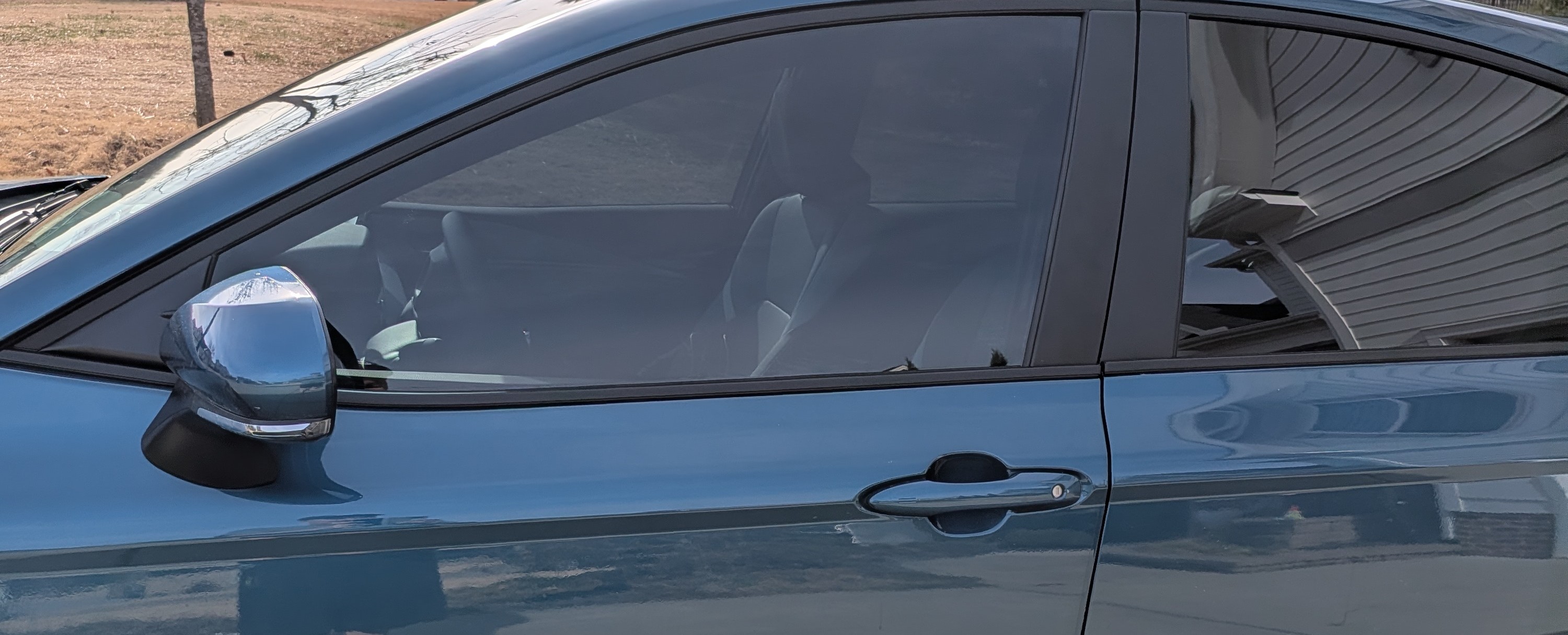
Traditional window tint is a thin film applied to the interior surface of your windows. Its job isn't impact protection, it's all about controlling heat, blocking UV rays, reducing glare, and increasing privacy.
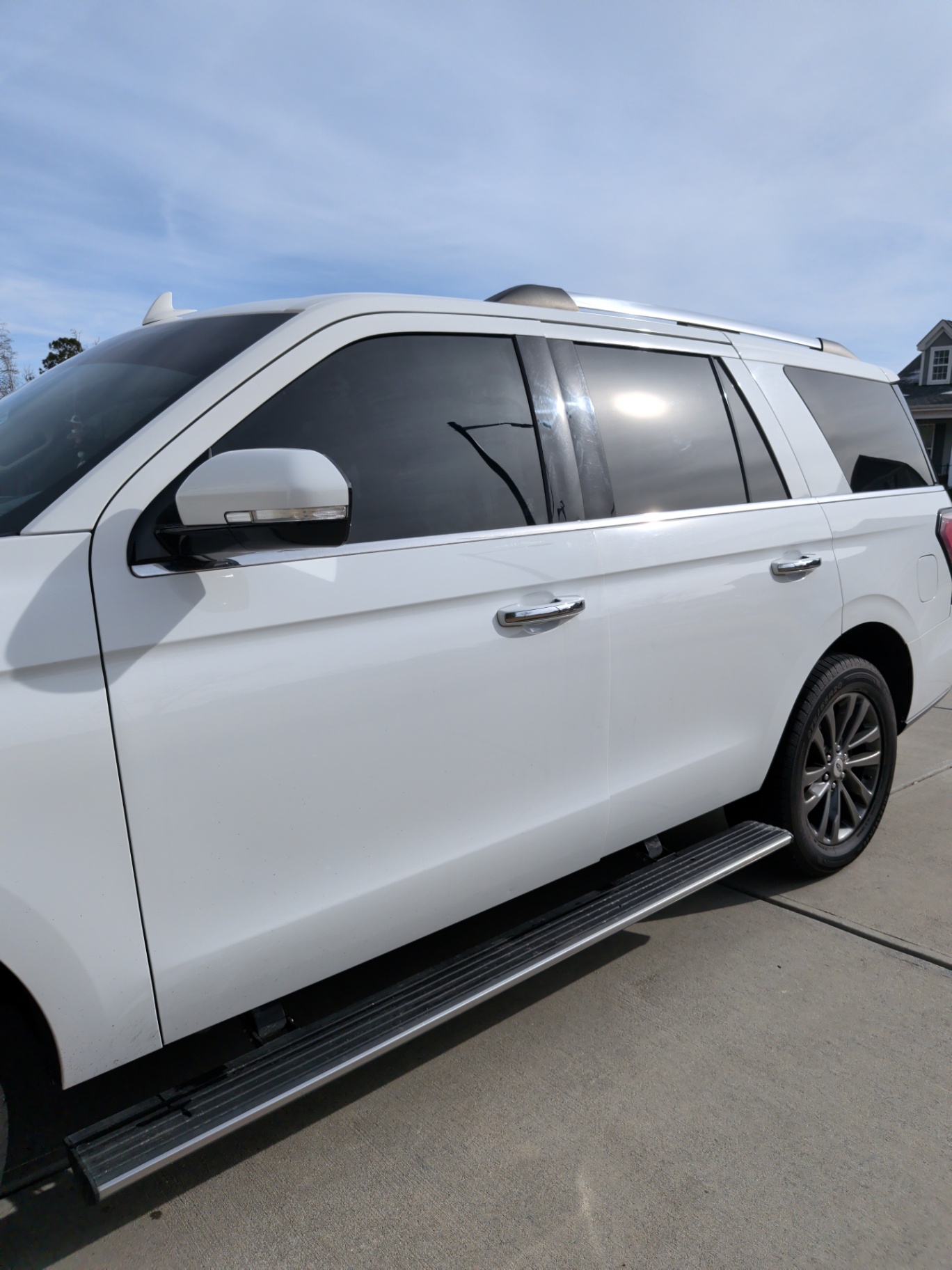
High-quality ceramic tint (our top recommendation) can block up to 98% of infrared heat and 99% of UV rays. That means your car stays cooler, your AC doesn't have to work as hard, your interior doesn't fade, and you're not squinting into the sun every afternoon commute.
What It Doesn't Do: Window tint won't stop a rock from chipping your windshield. It's not designed for impact resistance. If a piece of gravel hits your tinted window, the glass can still crack. Tint protects your interior and your comfort, not the glass itself.
The Key Differences: Side-by-Side
Here's the breakdown so you know exactly what each product brings to the table:
Feature | Windshield Protective Film | Traditional Window Tint |
Where It Goes | Exterior windshield surface | Interior window surface |
Primary Job | Impact and chip resistance | Heat reduction and UV protection |
Physical Protection | Yes, absorbs rock chips and impacts | No, cosmetic and comfort only |
Heat Rejection | Minimal | Up to 98% (ceramic films) |
UV Protection | 99% blockage | 85–99% (ceramic films) |
Clarity | Crystal clear, no distortion | Can vary by film quality |
Privacy | None (it's clear) | Yes, blocks visibility |
Durability | Self-healing against minor scratches | Long-lasting, but won't prevent cracks |
We believe both products serve essential roles, and for most Raleigh drivers dealing with summer heat and road debris, the ultimate protection is using both together.
Why Raleigh Drivers Need Both
Let's be honest: driving in the Triangle means dealing with two unavoidable realities.
Reality #1: Construction Debris Is Everywhere I-40 between Raleigh and Durham. Highway 70 through Clayton and Garner. Wade Avenue. Glenwood Avenue. Capital Boulevard. Pick a major road, and there's probably construction, repaving, or a gravel truck somewhere nearby. We've seen customers come in with multiple windshield chips in a single summer, not because they're bad drivers, but because North Carolina roads are hard on windshields.
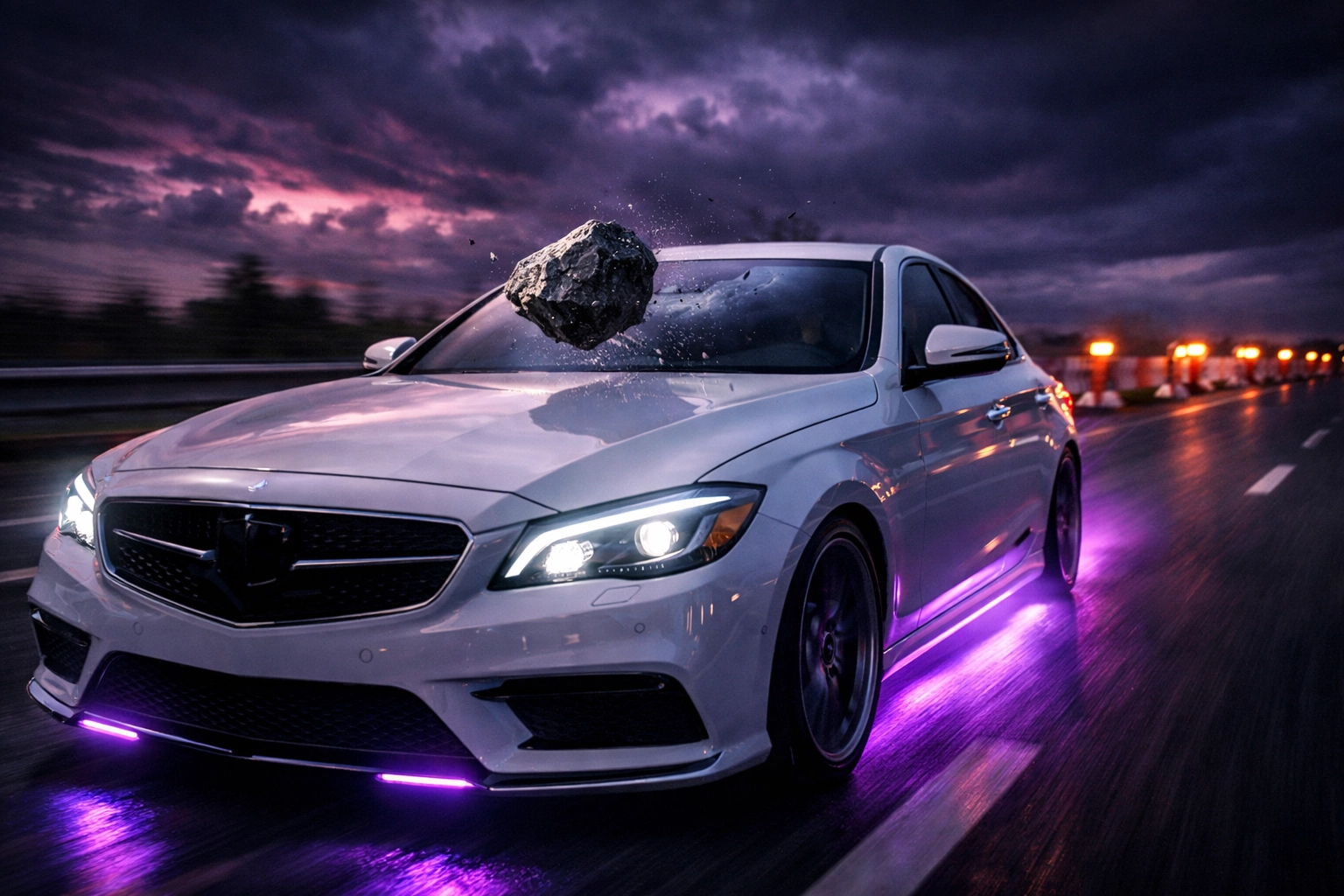
Windshield protective film is your first line of defense. It absorbs the impact energy that would otherwise transfer directly to your glass. We've had customers tell us they heard rocks hit their windshield and expected the worst, only to find zero damage because the film did its job.
Reality #2: NC Summers Are Brutal If you've ever gotten into your car after it's been sitting in a Raleigh parking lot in July, you know. The steering wheel burns. The seats are scorching. Your phone overheats. The AC can't catch up for the first 10 minutes.
That's where traditional window tint, especially ceramic tint, makes a massive difference. By blocking infrared heat before it enters your car, quality tint keeps your interior cooler, protects your dashboard and upholstery from sun damage, and makes every drive more comfortable. It's not just a luxury, it's a necessity if you want to enjoy your car year-round.
The Bottom Line: Windshield film protects your glass. Window tint protects your interior and your comfort. Using both means you're covered from rocks, heat, UV damage, and glare, no matter what Raleigh roads throw at you.
What's Legal in North Carolina?
Let's clear up the confusion, because NC has specific laws about what you can and can't do to your windshield and windows.
Windshield Protective Film (Clear): 100% legal. Since windshield protective film is clear and doesn't alter visibility or light transmission, it doesn't fall under NC tint laws. You can apply it to your entire windshield without any legal issues. It's transparent impact protection, not tint.
Windshield Tint Brow Strip: Legal, but limited. NC law allows a non-reflective tint strip along the top of your windshield, but it can't extend more than 5 inches down from the top or below the AS-1 line (whichever comes first). This is your legal "brow strip", great for cutting glare from the sun.
Full Windshield Tint (Dark Film): Illegal in North Carolina. You cannot apply dark tint across your entire windshield. It's not allowed, and it will cause problems during your annual vehicle safety inspection. If someone offers to do it, they're setting you up for headaches down the road.
Side and Rear Window Tint:
Front side windows: Must allow more than 35% of light in (35% VLT minimum)
Rear side windows: Any darkness allowed
Rear window: Any darkness allowed
We make sure every window tint installation we do meets NC legal standards. No surprises, no inspection failures.
Durability and Maintenance: What to Expect
Windshield Protective Film: High-quality protective film is engineered to last 5–7 years with proper care. It's self-healing against minor scratches (meaning light surface scratches from wipers or debris will disappear in sunlight). Clean it just like you'd clean your windshield, no special products needed. Avoid abrasive scrapers or rough materials.
If the film ever gets damaged or starts to show wear, it can be removed and replaced without harming your windshield. It's designed to peel off cleanly.
Traditional Window Tint: Quality ceramic or carbon window tint can last 10+ years when professionally installed. We've seen our installs still looking flawless after 15 years. Maintenance is simple: use a soft microfiber cloth and ammonia-free cleaner. Avoid abrasive sponges or paper towels that can scratch the film.
The key to longevity? Professional installation. DIY kits and cheap installations often bubble, peel, or fade within a few years. When we install tint, we're using premium materials and techniques honed over 20+ years in the business.
Why Professional Installation Matters
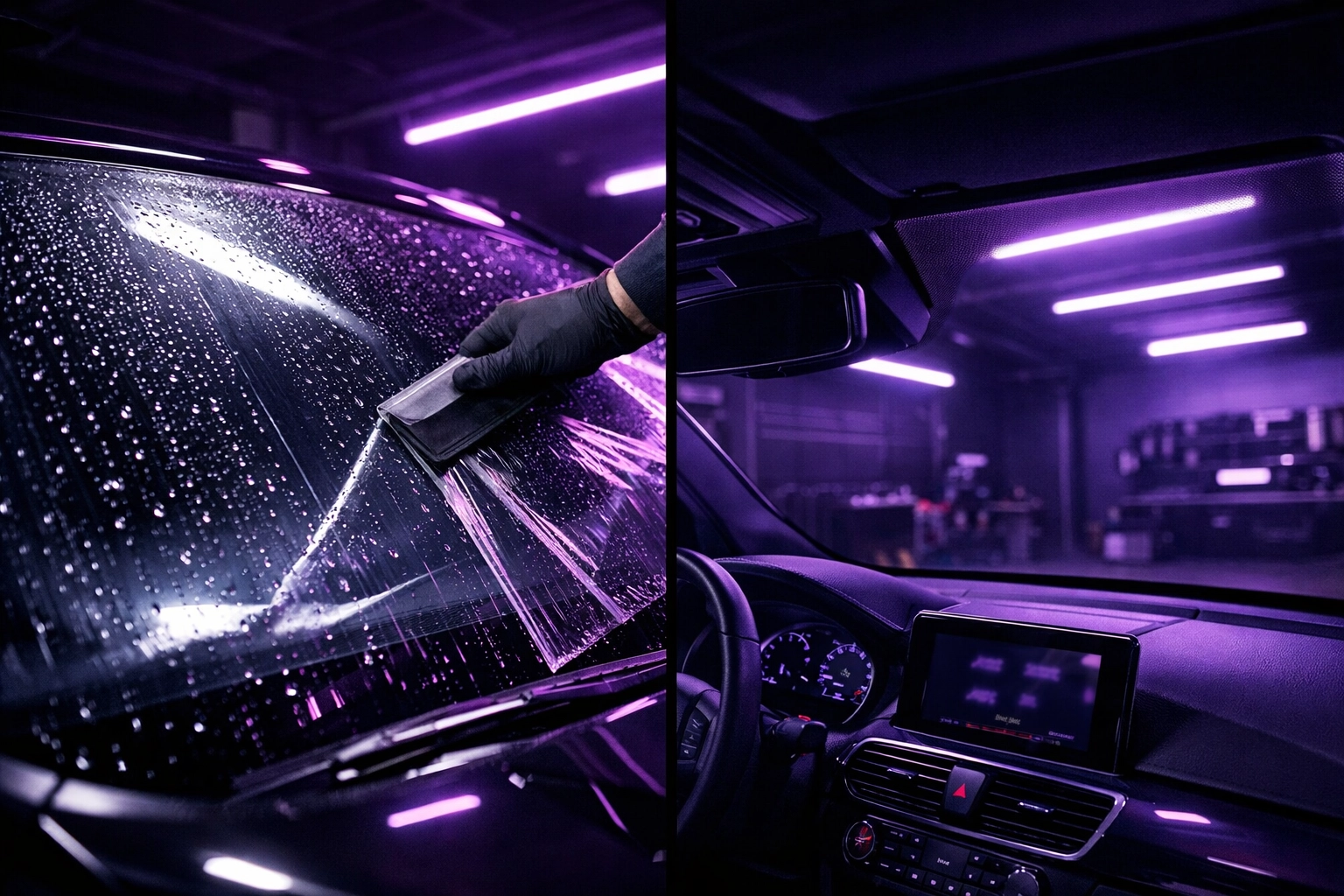
Here's the truth: both windshield protective film and window tint are precision jobs. A bad installation means bubbles, hazy spots, peeling edges, and wasted money.
Windshield Protective Film Installation: Your windshield is curved, large, and exposed to constant abuse from wipers, weather, and debris. Installing protective film requires specialized tools, precise cutting, and experience working with thick, rigid material. We've been doing this for over two decades, we know how to get a flawless, bubble-free finish that adheres properly and lasts.
Window Tint Installation: Tinting looks easy until you try it. Air bubbles, dust contamination, uneven edges, and misaligned seams are all common DIY disasters. Professional installation means your tint goes on smooth, cures properly, and performs exactly as it should for years.
We believe you should only trust your car to installers with real experience. Check out our window tinting services in Raleigh or our windshield protective film service to see the difference two decades of experience makes.
Frequently Asked Questions
Can I get both windshield film and a tint brow strip? Absolutely. Windshield protective film is clear and goes on the outside. A legal tint brow strip goes on the inside along the top. They work together perfectly and don't interfere with each other.
Will windshield protective film make my windshield look hazy? Not if it's installed correctly. Quality protective film is optically clear with zero distortion. You shouldn't even notice it's there.
Does windshield film prevent cracks from spreading? No. If you already have a crack, protective film won't stop it from spreading. It's designed to prevent chips and cracks from happening in the first place by absorbing impact energy.
Can I apply windshield film myself? Technically, yes, but we don't recommend it. Windshield film is thick, rigid, and difficult to work with. Air bubbles, misalignment, and poor adhesion are common DIY problems. Professional installation ensures it's done right the first time.
How much does windshield protective film cost? Pricing varies by vehicle size and windshield complexity, but expect to invest $200–$400 for a full windshield. It's a one-time cost that can save you from a $500+ windshield replacement.
Does ceramic tint block more heat than protective film? Yes. Windshield protective film offers minimal heat rejection: it's designed for impact protection. Ceramic window tint is specifically engineered to block up to 98% of infrared heat. That's why using both gives you complete protection.
Get Complete Protection for Your Raleigh Ride
If you're serious about protecting your car: inside and out: windshield protective film and traditional window tint are the ultimate one-two punch. Film guards your windshield from the inevitable road debris around Raleigh. Tint keeps your interior cool, comfortable, and protected from NC's brutal summer sun.
We've been installing both for over 20 years, and we've seen firsthand how much of a difference they make. Whether you're commuting through construction zones on I-40, cruising through Clayton, or just tired of your car turning into an oven every afternoon: we've got you covered.
Ready to protect your investment? Check out our windshield protective film service or explore our window tinting options. Let's make your car safer, cooler, and ready for everything Raleigh throws at it.
Comments