


The Fastest Way to Get Better at Maintaining Your Car's Paint: 5 Pro Detailing Tips from 20+ Years in Business
- Tommy Brown
- Feb 16
- 5 min read
Updated: Mar 19
After two decades of protecting vehicles across Clayton and Raleigh, we’ve learned that most car owners either overcomplicate paint care or accidentally damage their finish with the wrong techniques. The good news is that better results usually come down to a few smart habits. These car paint maintenance tips will help you protect your finish, reduce swirl marks, and keep your vehicle looking cleaner for longer.
Your vehicle's clear coat is thinner than you think. Modern factory finishes have clear coat layers that measure just a few microns thick, which means every wash, every wipe, and every product you use either preserves or gradually destroys that protective barrier. The good news? With the right approach, you can extend the life of your paint for years : even in North Carolina's harsh UV conditions and unpredictable weather.
Let's break down the five fastest ways to level up your paint maintenance game, based on what we've seen work (and fail) thousands of times in our shop.
1. Master the Two-Bucket Wash Method for Safer Car Paint Maintenance
If you're still using a single bucket and a sponge, you're essentially grinding dirt particles across your paint every time you wash. We like to call this "the sandpaper effect" : and it's the number one cause of swirl marks and micro-scratches we see when customers bring us their vehicles.
Here's how the two-bucket method works: one bucket holds your soapy water with a pH-balanced car shampoo, and the other holds clean rinse water. You dip your microfiber wash mitt into the soapy bucket, wash one section of your vehicle, then rinse the mitt thoroughly in the clean water bucket before reloading with soap. This simple system prevents contaminated water from cycling back onto your paint.
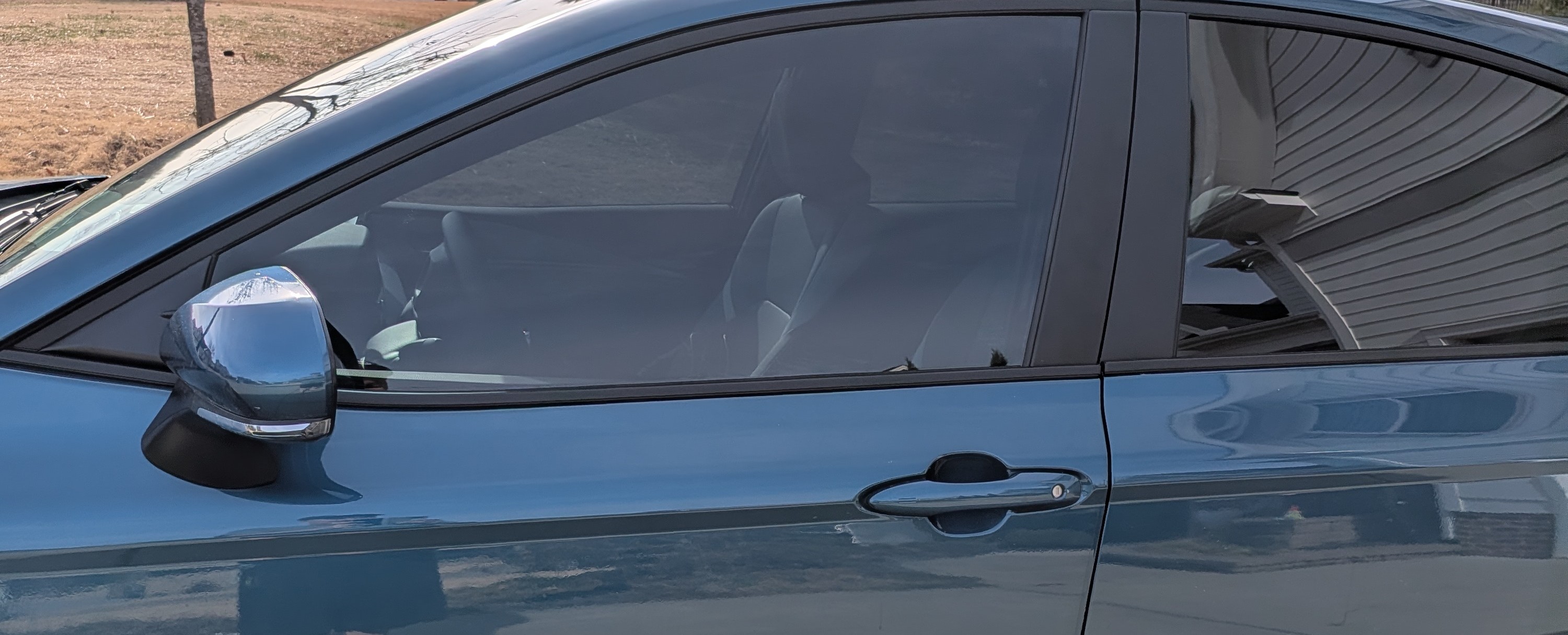
The mitt matters too : never use household sponges, brushes, or old towels. High-quality microfiber wash mitts trap dirt particles deep within their fibers instead of dragging them across the surface. Pair that with a pH-neutral car shampoo (not dish soap, which strips protective waxes), and you've eliminated the most common source of paint damage during routine maintenance.
One more critical detail: wash every couple of weeks, not more frequently. While it seems counterintuitive, washing too often actually accelerates micro-scratching. Between washes, use a quick detailer spray to remove light dust and pollen without introducing abrasion.
2. Dry Properly With Microfiber Towels to Help Protect Car Paint
Air-drying your car sounds like the safest option, but it's one of the worst things you can do for your paint. Water evaporates and leaves behind mineral deposits : those stubborn white spots that etch into your clear coat over time. In Raleigh's humid climate, this problem compounds quickly.
We recommend using premium microfiber drying towels with a minimum 400 GSM (grams per square meter) thickness. These towels absorb massive amounts of water without requiring aggressive rubbing.
Here's the technique that matters: pull the towel in straight lines across the surface rather than circular motions. Circular wiping patterns create those telltale swirl marks that catch sunlight and make your paint look dull.
For best results, use a blower to remove water from crevices around mirrors, door handles, and trim pieces before towel-drying. This prevents dirty water from dripping back onto your freshly cleaned panels.
3. Apply Protective Coatings Every Few Months : This Is Where Real Protection Happens
Washing and drying correctly preserves your paint : but protective coatings are what defend against UV degradation, bird droppings, tree sap, and road grime. We believe every vehicle deserves some form of paint protection, and the investment always pays dividends in preserved resale value and reduced maintenance.
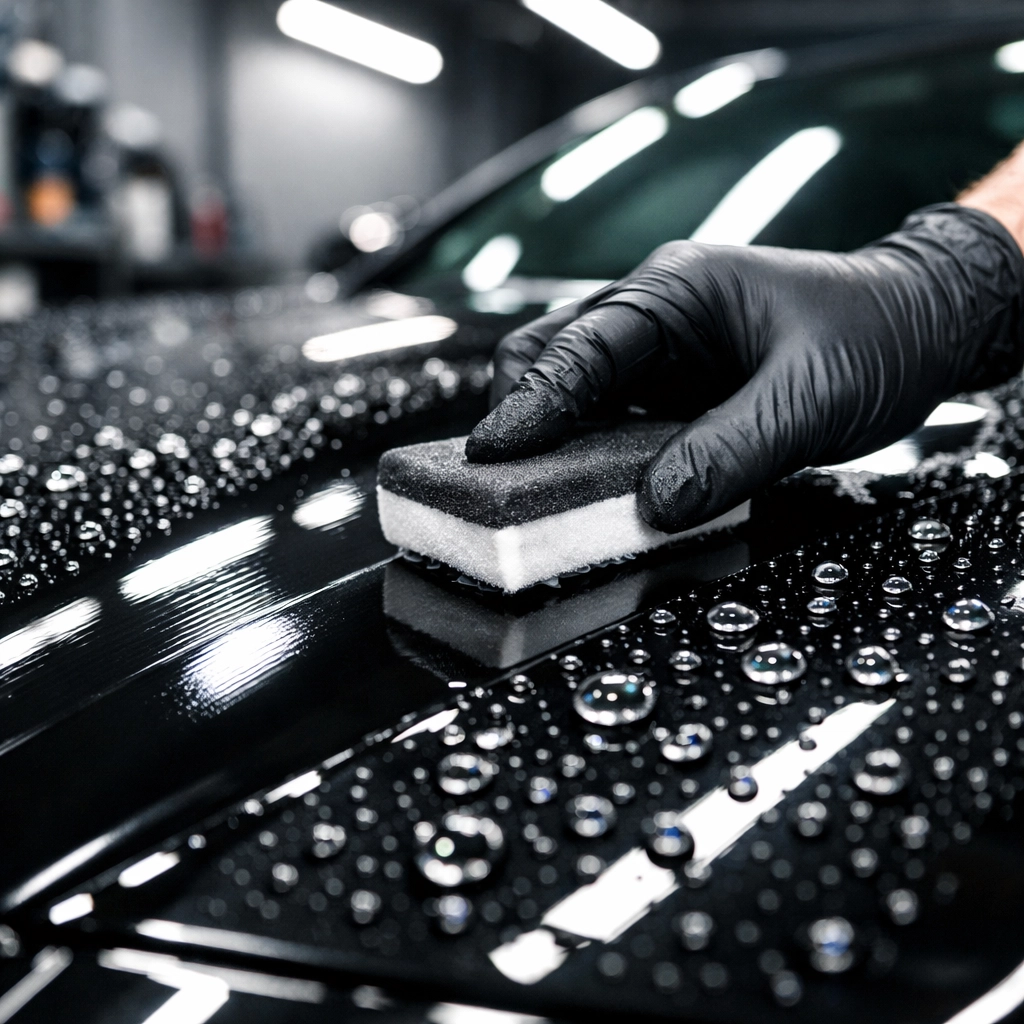
Traditional carnauba wax offers about 2-4 months of protection and requires regular reapplication. Synthetic sealants extend that timeline to 4-6 months with better heat resistance. But if you want the ultimate protection : the kind that repels water, prevents oxidation, and maintains gloss for years : ceramic coating is the cutting-edge solution we recommend to serious car enthusiasts.
Ceramic coatings create a permanent bond with your clear coat, forming a glass-like protective layer that's significantly harder than factory paint. Water beads and rolls off in sheets, dirt has nowhere to stick, and your vehicle stays cleaner longer between washes. We've installed ceramic coatings on hundreds of vehicles across Clayton, and the before-and-after difference in maintenance effort is dramatic.
If you're maintaining paint correction work or a fresh wrap, protective coatings become even more critical : they're the only way to extend those results beyond a few months. Without protection, UV rays, environmental fallout, and minor abrasion will quickly undo expensive detailing work.
4. Use Quick Detailers for Routine Maintenance : The Secret Weapon Between Washes
Quick detailer sprays are one of the most underused tools in routine car detailing. These pH-neutral formulas help remove light dust, fingerprints, and minor spotting without requiring a full wash, making them a smart option between deeper exterior cleanings.
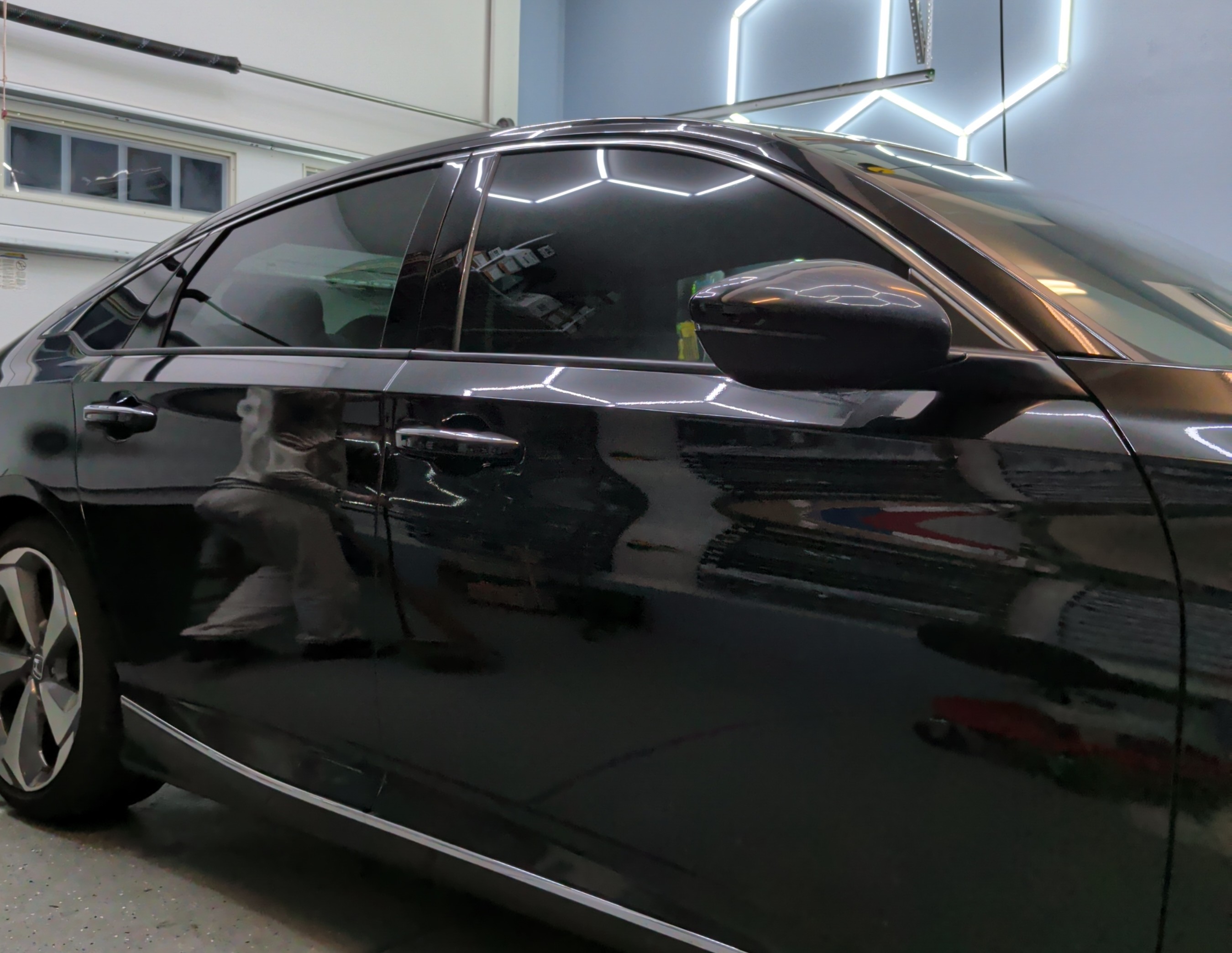
The application technique is simple but specific: spray the product directly onto the surface (not the towel), then wipe gently with a clean microfiber cloth using light pressure. Always use a fresh, uncontaminated towel : never reuse dirty towels, even for quick detailing.
We like quick detailers because they add a thin layer of lubrication and protection while removing contaminants, essentially giving you the benefits of a light wash without the time investment or abrasion risk. For vehicles with ceramic coating or fresh wax, quick detailers extend the life of those protective layers while maintaining gloss between deeper cleanings.
Choose a spray detailer that's compatible with your existing protection : some formulas enhance ceramic coatings specifically, while others are designed for traditional waxes. If you're not sure what works with your vehicle's protection, ask your detailer or check the coating manufacturer's recommendations.
5. Schedule Professional Detailing Twice Yearly : Prevention Beats Correction Every Time
Even with a solid at-home routine, your vehicle still benefits from professional auto detailing at least twice a year. Drivers who wash correctly and use quality products can still end up with bonded contamination, embedded brake dust, and fine scratches that are better handled through professional paint care and polishing.
Think of professional detailing as preventive maintenance for your paint : like oil changes for your engine. During a maintenance detail, we clay bar the entire vehicle to remove bonded contaminants that washing can't touch, perform light polishing to eliminate micro-scratching, and reapply fresh protective coatings to ensure continuous defense against the elements.
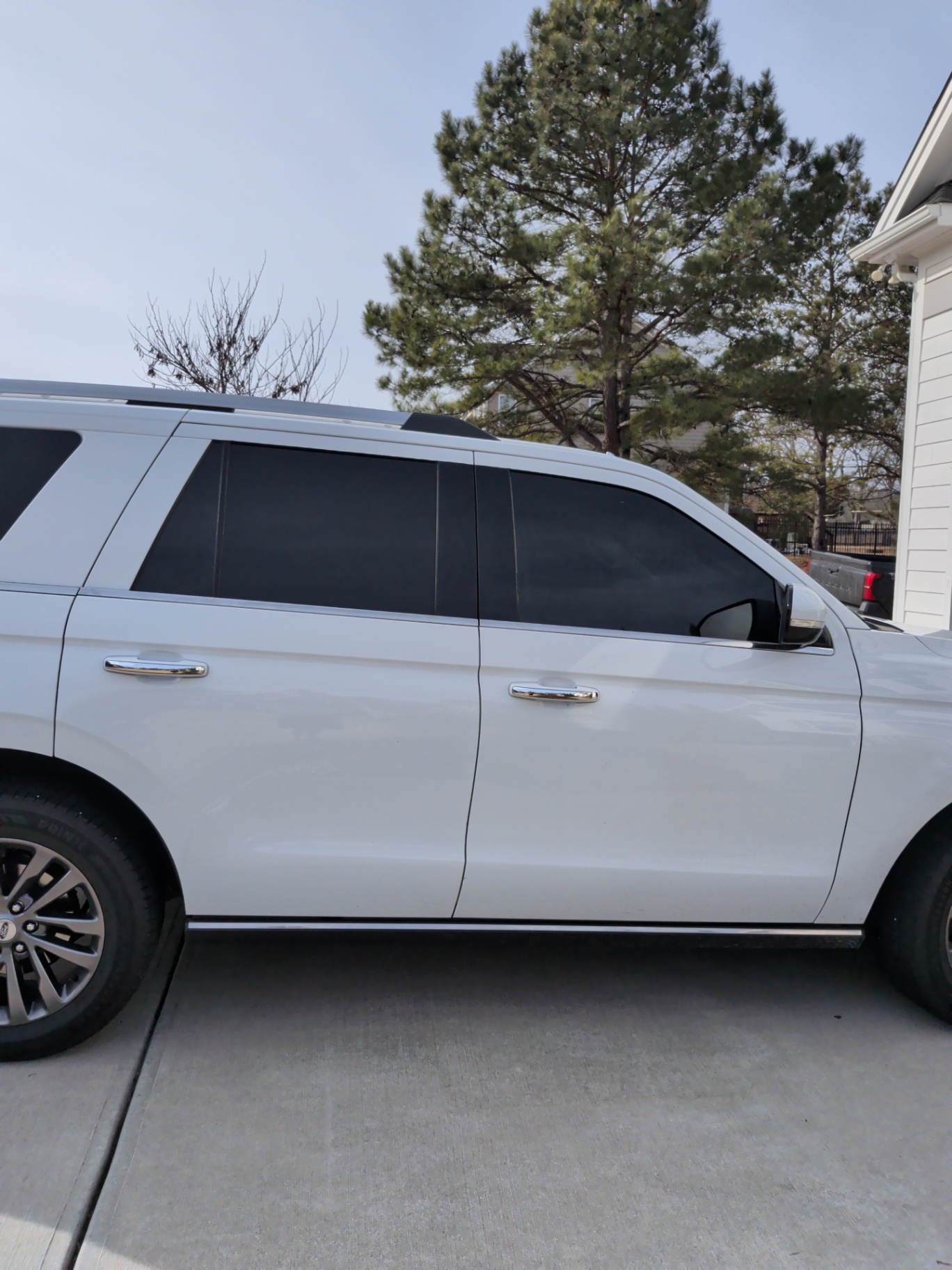
The six-month schedule is strategic. Spring and fall detailing sessions keep your paint optimized through North Carolina's harshest seasons : summer UV damage and winter road salt. This rhythm prevents minor issues from becoming major problems that require expensive paint correction down the road.
During professional detailing, we also inspect your paint for early signs of clear coat failure, oxidation, or contamination that might not be visible to untrained eyes. Catching these issues early saves money and preserves your vehicle's appearance for the long term.
The Bottom Line: Consistency Beats Intensity
The fastest way to improve your paint maintenance isn't buying the most expensive products or spending hours every weekend detailing : it's implementing these five core principles consistently. We've watched customers transform their vehicles from dull and swirled to mirror-like and protected simply by changing their washing technique and adding biannual professional care.
Your vehicle's paint is one of its most valuable assets, and protecting it doesn't require complicated rituals or professional-level equipment. What it requires is understanding the fundamentals, using quality products, and knowing when to call in professional help.
If you're ready to take your paint maintenance to the next level : or if you'd like us to evaluate your current paint condition and recommend a protection strategy : reach out to our team. After 20+ years serving Clayton and Raleigh, we've seen every paint condition imaginable, and we're here to help you maintain showroom results for years to come.
Comments