


Does Darker Window Tint Mean Better Heat Rejection? The Truth Smithfield Drivers Need to Know
- Tommy Brown
- Jan 27
- 5 min read
If you've ever sat in a parking lot in Smithfield during July, you already know: North Carolina heat is no joke. Your steering wheel becomes a branding iron, your leather seats could fry an egg, and that short drive home turns into a sauna session you never signed up for.
So naturally, when people start shopping for window tint, they often assume the solution is simple: go darker. The logic seems obvious, right? Darker tint blocks more sunlight, which means less heat. Case closed.
Not so fast.
We hear this misconception all the time at Elite Window Tintz, and we're here to set the record straight. The truth is, darkness and heat rejection are two completely different things: and understanding the difference could save you money, keep you cooler, and help you stay legal on Smithfield roads.
Let's break it down.
The "Darker Is Better" Myth
Picture this: a customer pulls up in a beautiful Toyota Camry, windows already tinted with a super dark film they had installed a few years back. They're frustrated because even with that limo-dark shade, their car still feels like an oven after sitting in the sun for an hour.
"I thought darker meant cooler," they tell us.
We get it. It's a logical assumption. But here's what most people don't realize: the darkness of your tint (measured by VLT, or Visible Light Transmission) has almost nothing to do with how much heat the film actually blocks.
VLT tells you how much visible light passes through the window. A 5% tint is very dark (only 5% of light gets through), while a 50% tint is much lighter. But visible light is only part of the equation.
The real culprit behind that unbearable cabin heat? Infrared radiation (IR): and blocking that requires specific film technology, not just a darker shade.
What Actually Blocks Heat: Infrared Rejection Explained
Here's the science made simple.
Sunlight that hits your car is made up of three types of energy:
Ultraviolet (UV) rays – about 3% of solar energy (causes skin damage and interior fading)
Visible light – about 44% of solar energy (what your eyes see)
Infrared (IR) radiation – about 53% of solar energy (the primary source of heat)
That last one is the big deal. More than half of the sun's energy that heats up your car comes from infrared radiation: and traditional dyed or metallic tints aren't designed to block it effectively.
This is why you can have the darkest tint on the block and still feel like you're melting. If your film doesn't have strong Infrared Rejection (IRR), you're only blocking visible light: not the heat.
The Metrics That Actually Matter
When comparing window tint options, forget about how dark it looks. Instead, ask about these two numbers:
Metric | What It Measures |
Infrared Rejection (IRR) | Percentage of heat-causing IR radiation blocked |
Total Solar Energy Rejection (TSER) | Overall percentage of solar energy (UV + visible + IR) blocked |
A quality ceramic tint with 70% VLT (a relatively light shade) can block up to 95% of infrared radiation: outperforming much darker traditional films in actual heat rejection.
That's the game-changer.
Comparing Tint Types: Dyed vs. Carbon vs. Ceramic
Not all window films are created equal. Here's a quick breakdown of the most common types we see: and what Smithfield drivers should know about each.
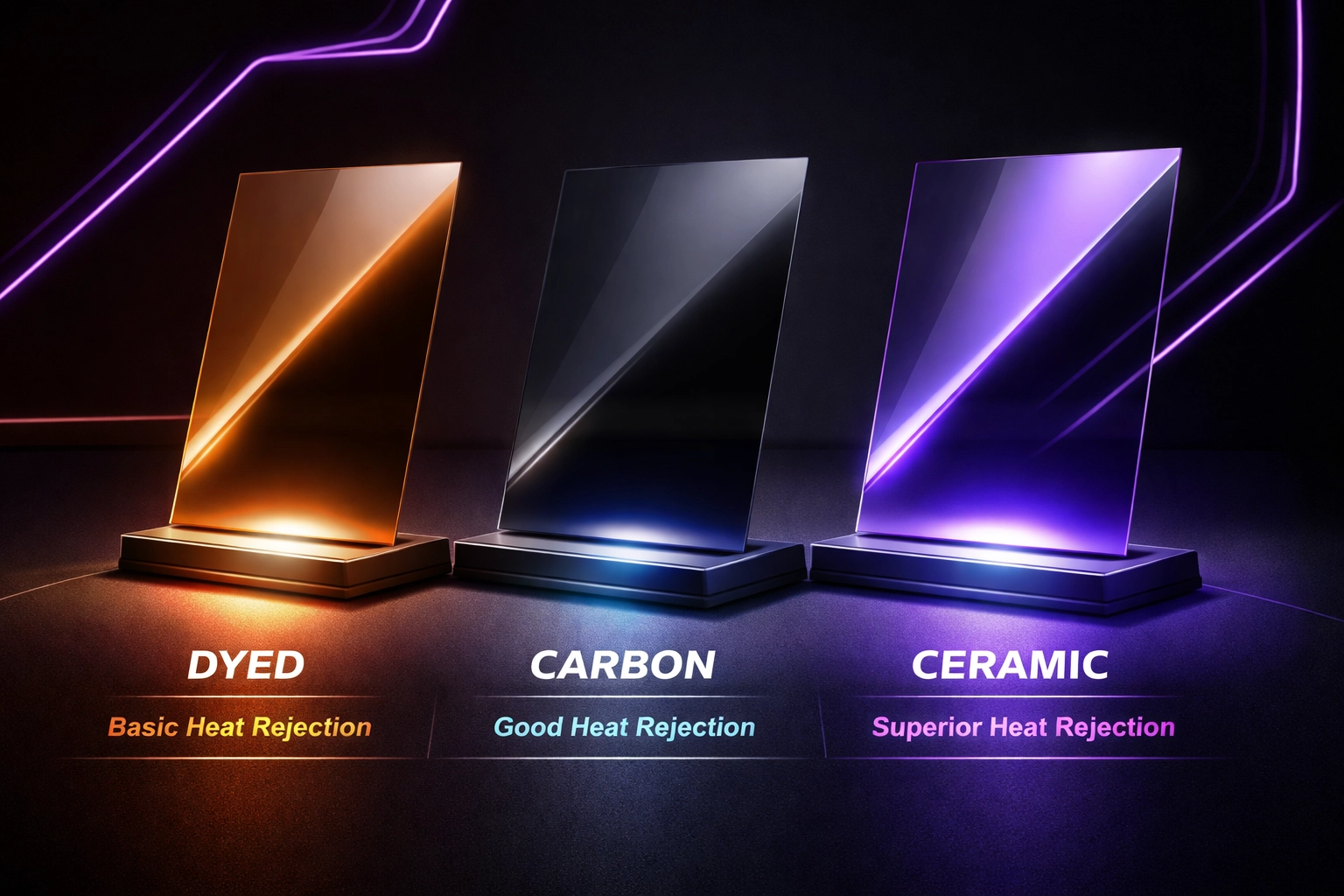
Dyed Window Tint
How it works: Uses dye layers to absorb sunlight
Heat rejection: Low to moderate
Pros: Affordable, good for privacy and aesthetics
Cons: Fades over time, minimal IR blocking, absorbs heat into the glass
Dyed tint is the budget-friendly option, but it relies on absorption rather than reflection or rejection. That means the glass itself heats up: and that heat eventually radiates into your cabin anyway.
Carbon Window Tint
How it works: Contains carbon particles that block IR and UV
Heat rejection: Moderate to good
Pros: Matte finish, doesn't fade as quickly, no signal interference
Cons: Not as effective as ceramic for maximum heat rejection
Carbon tint is a solid middle-ground option. It looks great, lasts longer than dyed film, and provides decent heat control: but it's not the top performer.
Ceramic Window Tint
How it works: Uses nano-ceramic particles to selectively block IR radiation
Heat rejection: Excellent (up to 95%+ IRR)
Pros: Maximum heat rejection, blocks 99% UV, no signal interference, doesn't fade
Cons: Higher upfront cost (but worth the investment)
Ceramic tint is the latest innovation in window film technology. It's what we recommend for Smithfield drivers who want the ultimate combination of heat rejection, clarity, and durability: without going illegally dark.
Want to learn more about whether ceramic is worth it? Check out our deep dive here: Is Ceramic Window Tint Worth the Investment?
Why This Matters for Smithfield Drivers
Living in Smithfield means dealing with humid summers, intense UV exposure, and that special kind of Southern heat that turns your car into a convection oven by noon.
If you're commuting to Raleigh, running errands around town, or just trying to keep your Toyota Camry comfortable for the family, the right window tint makes a real difference.
Here's what we see with local drivers who upgrade to ceramic:
Cooler interiors – Even after sitting in a parking lot for hours
Less A/C strain – Your system doesn't have to work as hard to cool down the cabin
Protected interiors – UV blocking prevents fading and cracking on dashboards, seats, and trim
Better visibility – Lighter ceramic shades mean you can stay legal and still get top-tier heat rejection
And speaking of legal: North Carolina requires 35% VLT on front side windows. Going too dark can get you pulled over and hit with a fix-it ticket. With ceramic tint, you can choose a compliant shade and still outperform darker illegal films on heat rejection.
That's a win-win.
Why Elite Window Tintz? Meet "Sir Tint-a-Lot"
At Elite Window Tintz, we've been helping drivers across Clayton, Smithfield, Raleigh, and the Triangle protect their vehicles for over 20 years. We've seen every type of film, every kind of install, and every mistake the cheap shops make.
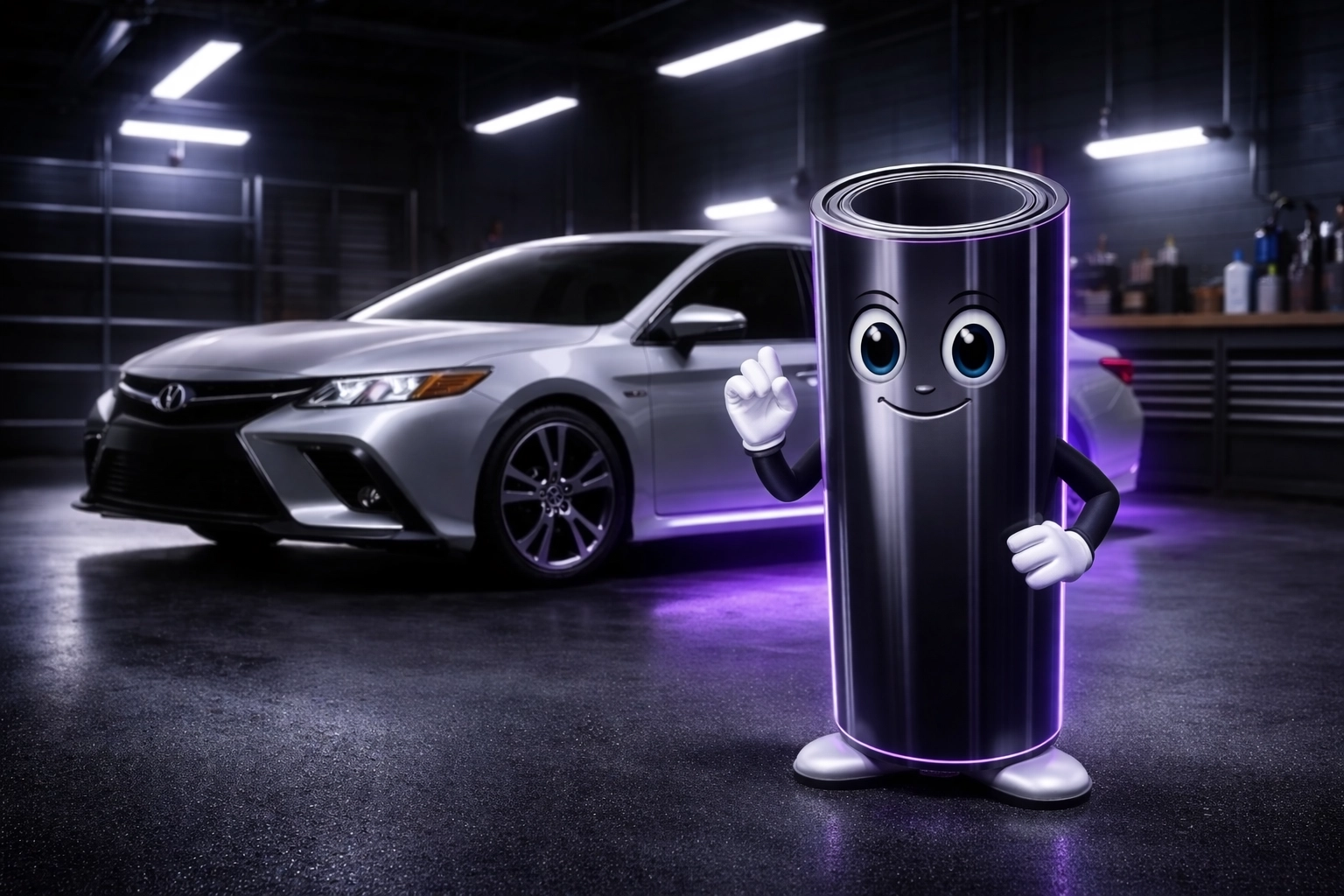
We believe the difference is in the materials—and that’s where Sir Tint-a-Lot comes in (our official mascot and “expert” roll of high-quality window film who knows all the secrets about heat rejection). We like to pair cutting-edge ceramic film performance with precision installation, and we stand behind every install with a 100% satisfaction guarantee.
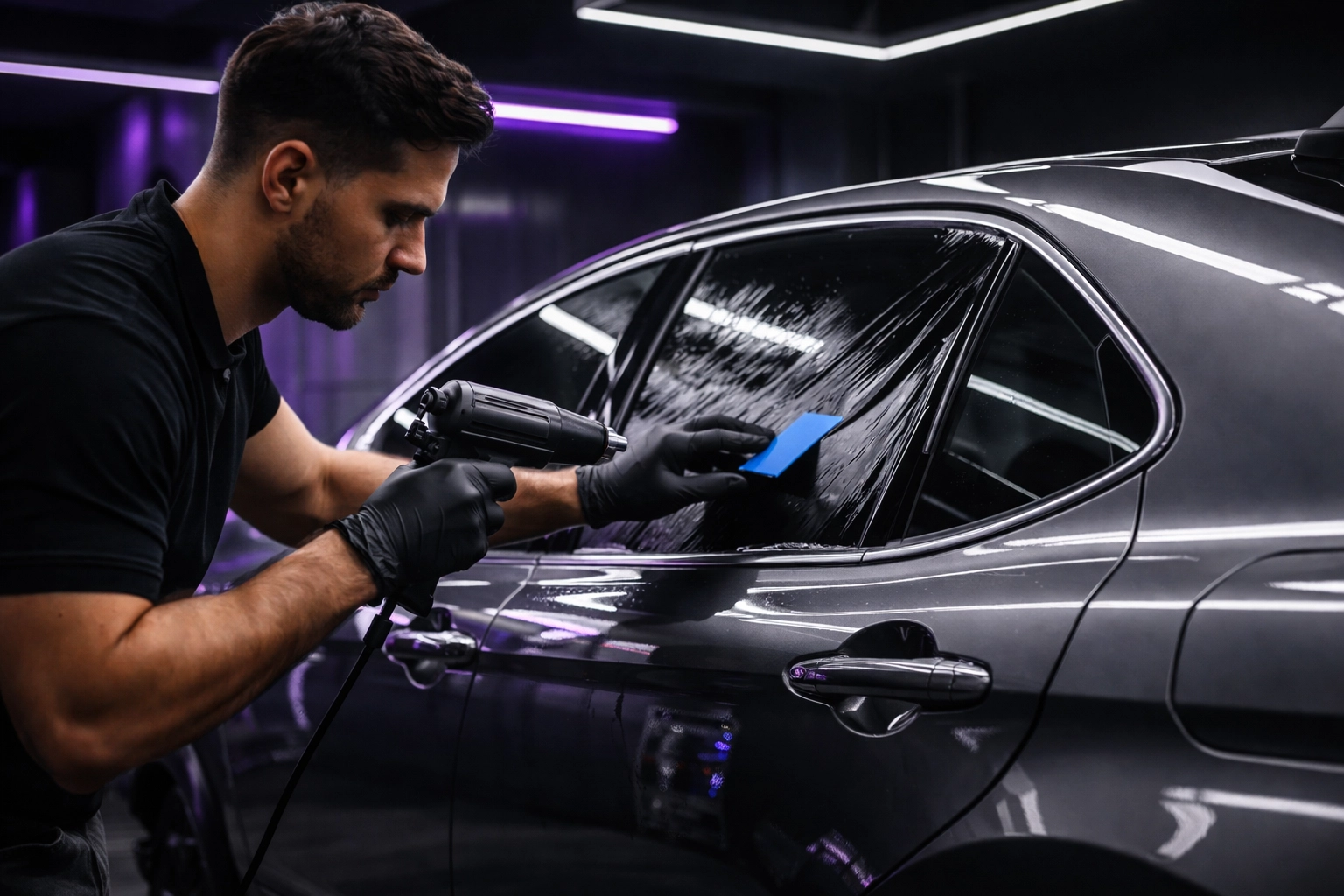
When you bring your vehicle to us, we don't just slap on whatever's cheapest. We talk through your goals, explain the differences between film types, and help you choose the option that makes sense for your car, your budget, and Smithfield's climate.
Whether you're driving a brand-new sedan or a well-loved truck, we treat every vehicle like it's our own.
Curious about what to expect during the process? Read this: What to Expect When You Get Your Windows Tinted
The Bottom Line: Shade ≠ Heat Rejection
Let's recap what Smithfield drivers need to remember:
Darker tint does NOT automatically mean better heat rejection
Infrared rejection (IRR) is the metric that matters for blocking heat
Ceramic window tint offers the best heat rejection: even in lighter, legal shades
Cheap dyed films may look dark but won't keep you cool
Elite Window Tintz has 20+ years of experience helping local drivers make the right choice
If you've been suffering through hot commutes or watching your interior fade in the Carolina sun, it might be time for an upgrade: one that actually works.
Ready to Stay Cool This Summer?
Stop guessing and start driving in comfort. Whether you need window tinting for your daily driver, ceramic coating for long-term paint protection, or a full detail to restore that showroom shine, Elite Window Tintz is here to help.
Request a free quote or book your appointment today:https://www.elitewindowtintz.com
We'll help you find the right tint: because staying cool in Smithfield shouldn't mean going dark and breaking the law. It just means choosing smarter film.

Comments