


Ceramic Coating vs PPF vs Window Tint: Which Protection Does Your Clayton Car Actually Need?
- Tommy Brown
- Feb 13
- 7 min read
Updated: Mar 19
We hear this question almost daily at our Clayton shop: should you choose ceramic coating, PPF, or window tint for your vehicle? There’s understandable confusion because all three are marketed as protection, but each one protects a different part of your car in a very different way.
Here’s the reality: ceramic coating and paint protection film (PPF) help protect your vehicle’s exterior, while window tint protects your interior and the people inside. They are not competing services so much as complementary layers of defense for different risks your vehicle faces every day on North Carolina roads
We believe the best protection strategy starts with understanding exactly what each service does, what it doesn't do, and which problems you're actually trying to solve. So let's break down the science, the benefits, and the real-world applications of each option so you can make an informed decision about what your Clayton car actually needs.
What Automotive Window Tint Actually Protects
Automotive window tint is a thin film applied to your vehicle’s glass to help block heat and harmful UV rays. We often describe it as sunscreen for your car’s interior because it helps protect seats, trim, dashboards, and passengers from daily sun exposure.
Quality ceramic window tint blocks up to 99% of UV rays and rejects 60-70% of infrared heat. This means your car's interior can stay up to 30°F cooler than untinted windows during those brutal Clayton summers when the heat index hits triple digits. We've seen this temperature difference firsthand in our own vehicles, and it's transformative for daily comfort.
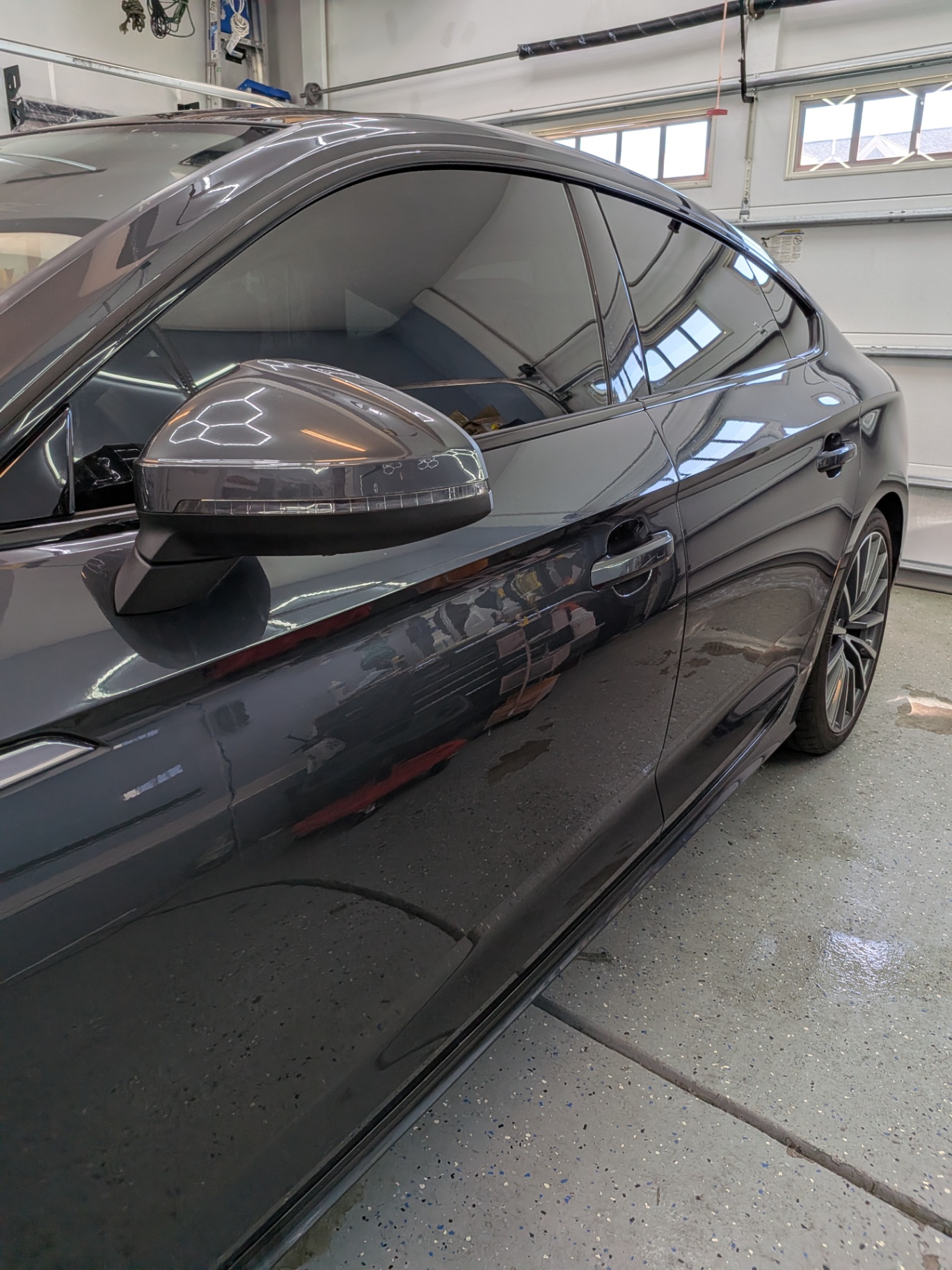
But window tint does more than just keep you comfortable. It protects your dashboard, upholstery, and trim from UV damage that causes fading, cracking, and deterioration over time. It reduces glare while you're driving, which improves visibility and reduces eye strain. And it provides privacy without interfering with your phone, GPS, or radio signals: because ceramic technology doesn't contain metal particles.
What window tint doesn't do: protect your paint. Your exterior finish gets zero benefit from tinted windows. If you're worried about rock chips, scratches, or paint oxidation, window tint won't help: that's where ceramic coating and PPF come in.
Ceramic Coating for Long-Term Paint Protection
Ceramic coating is a liquid polymer that we apply directly to your vehicle's paint surface. It bonds at the molecular level with your clear coat, creating a semi-permanent protective layer that's incredibly hydrophobic: meaning water literally beads up and rolls right off.
We believe ceramic coating is one of the best options for drivers who want long-term paint protection with easier maintenance. It creates a slick, glossy surface that helps repel dirt, mud, bird droppings, tree sap, and other environmental contaminants that can wear down unprotected paint over time.
The real magic happens at the molecular level. Once cured, ceramic coating becomes exceptionally hard and resistant to light scratches and swirl marks from automatic car washes. It provides UV protection for your paint, preventing oxidation and color fading over time. And unlike traditional wax that breaks down after a few months, quality ceramic coating lasts for years with proper maintenance.
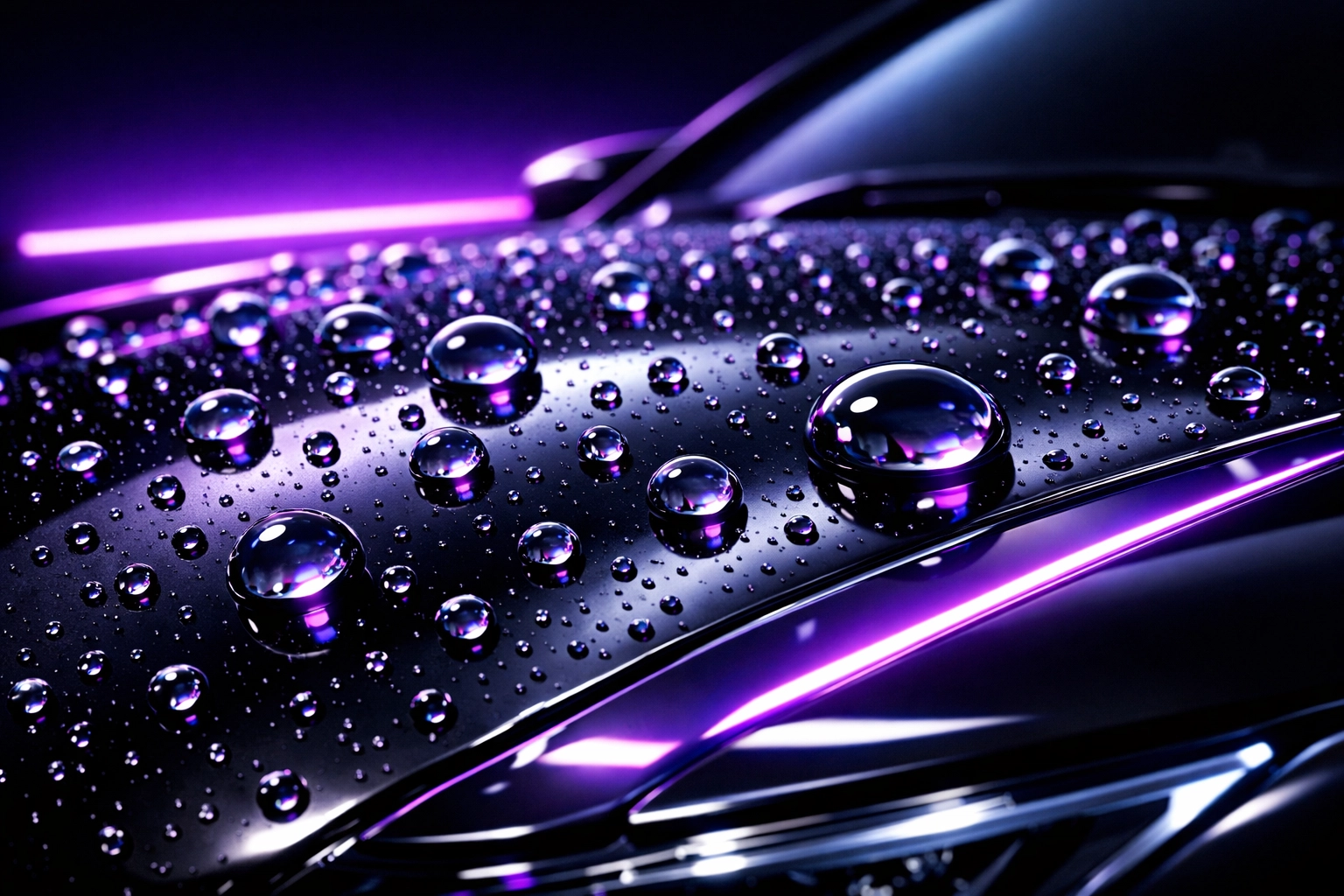
What ceramic coating doesn't do: block heat or cool your interior. We hear this misconception constantly: people assume ceramic coating will reduce cabin temperature because it has "ceramic" in the name.
But ceramic coating is purely a paint protection product. It doesn't affect the heat coming through your windows or the temperature inside your vehicle. If cooling is your priority, you need window tint, not ceramic coating.
Paint Protection Film (PPF) for Rock Chips and High-Impact Areas
Paint protection film: commonly called clear bra or PPF: is a thin, transparent polyurethane film that we apply to vulnerable areas of your vehicle's exterior. Think of it as a sacrificial layer that takes the beating so your actual paint doesn't have to.
Modern PPF features self-healing technology that's genuinely impressive. Minor scratches and swirl marks literally disappear when exposed to heat, whether that's from the sun, hot water, or a heat gun. The film absorbs the damage and reforms itself back to a smooth surface, which means your car maintains that flawless appearance even after years of daily driving.
We typically install PPF on high-impact zones: the front bumper, hood, fenders, side mirrors, door edges, and door cups. These are the areas that take the most abuse from road debris, parking lot door dings, and accidental scratches. PPF shields against rock chips, bug splatter, bird droppings, tree sap, and all the environmental hazards that permanently damage unprotected paint.
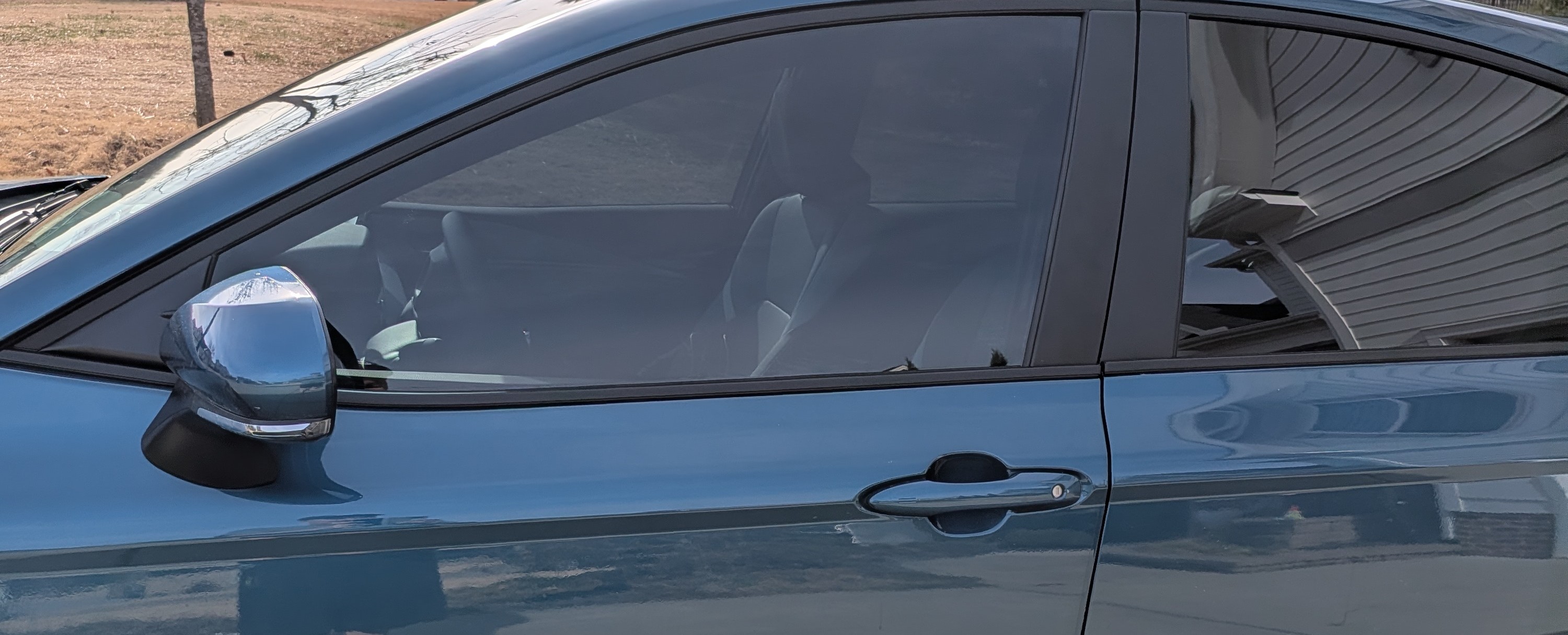
What PPF doesn't do: cool your interior or protect against UV rays coming through your windows. Just like ceramic coating, PPF is a paint protection solution, not an interior or occupant protection solution. It does nothing to reduce heat, block UV rays from entering the cabin, or prevent interior fading. Those benefits come exclusively from window tint.
Ceramic Coating vs PPF vs Window Tint: The Key Differences
Here's where we cut through the marketing noise and give you the practical breakdown:
Window tint protects people and interiors. It blocks harmful UV rays that cause skin damage and cancer risk. It keeps your cabin cooler, which reduces air conditioning load and improves fuel efficiency. It prevents your dashboard, seats, and trim from fading and cracking. And it reduces glare that causes eye strain during your daily commute.
Ceramic coating protects paint surfaces. It creates a hydrophobic barrier that repels contaminants and makes washing easier. It adds depth and gloss to your finish. It provides UV protection for your clear coat and prevents oxidation. It reduces minor scratches and swirl marks from regular washing.
PPF protects against physical impact. It shields your paint from rock chips, scratches, and abrasions. It absorbs damage that would otherwise be permanent. It's self-healing for minor surface scratches. And it's the only option that truly prevents paint damage from road debris and daily wear.
We like to use this analogy: window tint is like sunscreen: it protects you from the sun. Ceramic coating is like a raincoat: it keeps your paint clean and protected from the elements. PPF is like body armor: it stops physical damage before it reaches your paint.
What Protection Your Clayton Car Actually Needs
So which protection is right for your vehicle? We believe the answer depends on three factors: your driving conditions, your priorities, and your budget.
You need window tint if:
You drive frequently during daylight hours around Clayton and Raleigh
Your car sits in direct sunlight at work or home
You want to protect your interior from fading and UV damage
You're tired of cranking the AC to fight summer heat
You value privacy and reduced glare
You care about protecting yourself and passengers from UV exposure
You need ceramic coating if:
You want your car to look freshly detailed with minimal effort
You're tired of frequent washing and waxing
You park under trees or deal with bird droppings and sap
You want long-term paint protection against environmental contaminants
You value that deep, glossy finish that turns heads
You plan to keep your vehicle for several years
You need PPF if:
You frequently drive on I-40, Highway 42, or other high-speed roads with debris
You want to prevent rock chips and road rash on your front end
Your car is new or recently repainted
You're concerned about door dings and parking lot damage
You want the ultimate physical protection for your paint
You're protecting a high-value or collector vehicle
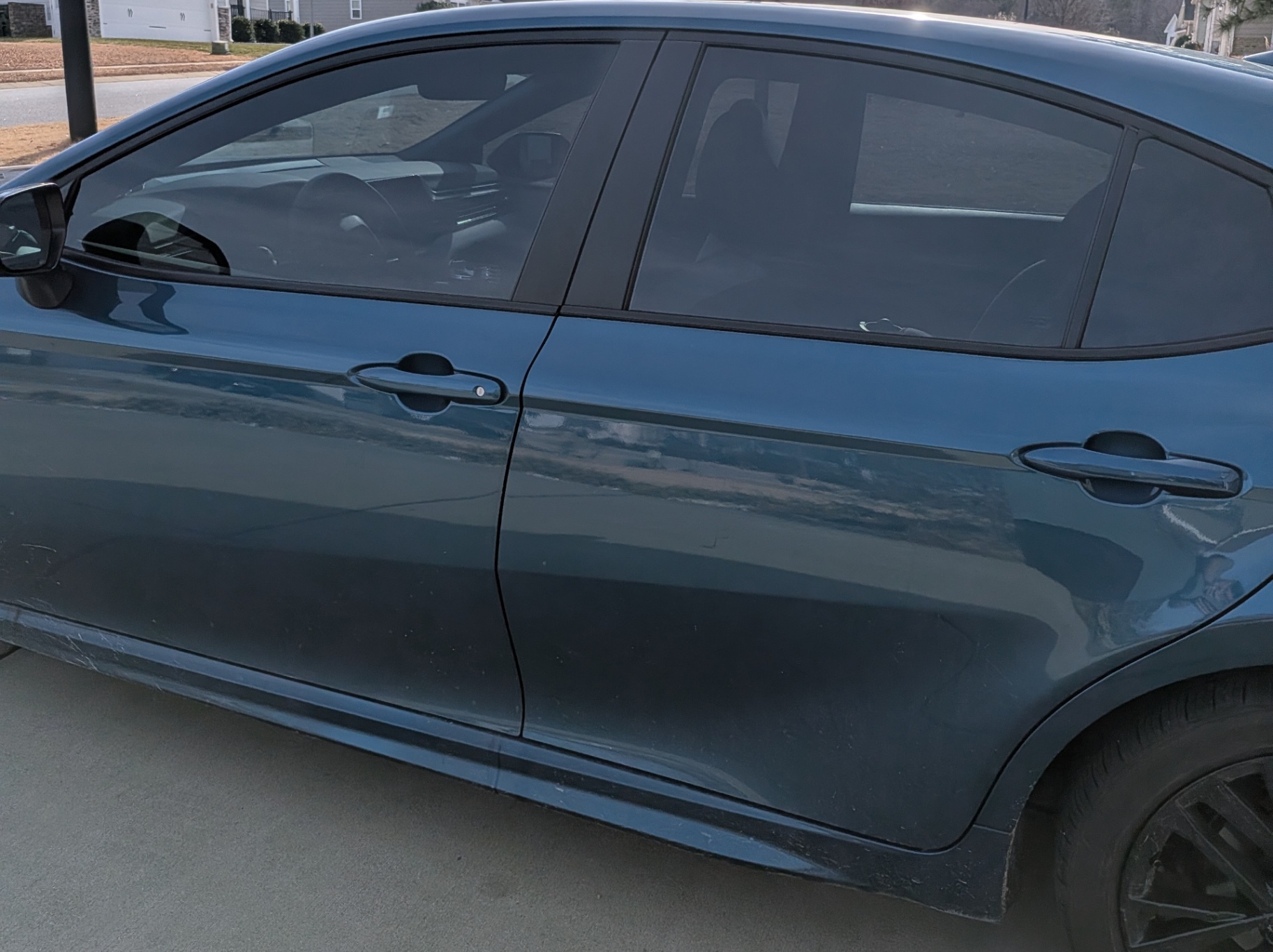
The truth is, most Clayton drivers benefit from some combination of these protections: because they address different vulnerabilities. Window tint keeps you comfortable and protects your interior. Ceramic coating keeps your exterior looking pristine with minimal maintenance. And PPF prevents physical damage that no amount of coating can fix.
Why We Recommend Combining Protection Layers
After 20 years in this business, we've learned that the best protection strategy isn't choosing between these options: it's strategically combining them based on your specific needs and driving conditions.
One of the most popular combinations we install is window tint plus ceramic coating. This pairing gives drivers interior comfort and UV protection from the tint, along with easier-to-maintain exterior paint protection and gloss from the ceramic coating.
For drivers who want ultimate protection, we recommend the full triple layer: window tint for interior and occupant protection, ceramic coating for overall paint maintenance and gloss, and PPF on high-impact areas for physical damage prevention. This combination creates a complete shield that protects every vulnerable surface of your vehicle: from the glass to the paint to the interior materials.
We've installed this triple-layer protection on countless vehicles around Clayton and Raleigh, and the results speak for themselves.
Cars that are five or six years old still look showroom-fresh because every layer is doing its specific job: the tint keeps the interior from aging, the ceramic coating keeps the paint pristine, and the PPF keeps the front end chip-free despite thousands of miles on North Carolina highways.
Getting Protected the Right Way in Clayton
The quality of your protection is only as good as the installation: and that's where experience matters. We've been installing window tint, ceramic coating, and PPF in Clayton for over two decades, and we've learned exactly what works in our local climate and driving conditions.
North Carolina presents unique challenges: intense summer UV exposure, pollen storms that etch into paint, road salt and brine treatments in winter, and high-speed highways with constant debris. Your protection needs to be installed correctly using premium materials, or it won't hold up to these conditions.
Whether you're looking for professional window tint, ceramic coating application, or a comprehensive protection package, we'd love to discuss your specific needs and create a solution that fits your vehicle, your driving habits, and your budget.
The right protection makes all the difference between a car that looks worn and weathered after a few years, and one that still turns heads and holds its value. Let's make sure your vehicle gets the protection it actually needs( not just what sounds good in marketing copy.)
Click below to learn more about our services!
Comments